
Artificial Intelligence (AI) is transforming organizations by offering more efficiency and problem-solving skills. However, AI development can be costly due to the high computation demands and enormous data processing requirements. When using cloud environments, these costs may escalate rapidly if not adequately managed.
Cost-effective AI Development Environments on the Cloud

Topics:
Artificial Intelligence
Continue Reading
Optimizing Code Costs: Integrating FinOps at Every Stage of the SDLC

FinOps and the Software Development Life Cycle (SDLC) are two fundamental concepts in modern technology management. What FinOps does is simplify financial operations that are carried out using cloud systems by ensuring accountability and cost transparency. The SDLC describes a structured process of software development, with phases extending from design to maintenance to ensure quality and efficiency.
Topics:
Software Development
Continue Reading
How AI Can Become a Gatekeeper in Fintech Security

Mobile banking, investment apps, wealth management applications, wallets, and stock trading applications have reshaped the finance industry for the good. However, this has also introduced security challenges. Fintech applications have become increasingly more exposed to cyber threats, such as data breaches, phishing, identity theft and financial fraud.
Topics:
Artificial Intelligence
Continue Reading
Integrating Behavioral Economics with Fintech UX Design
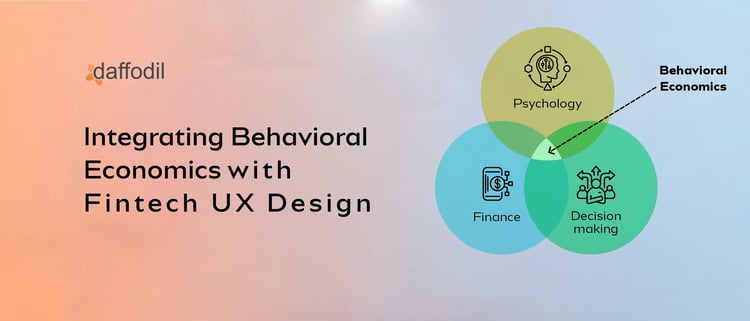
In Fintech, UX design is critical for making complex financial services more user-friendly, enhancing usability, and increasing customer loyalty. It enhances how users interact with digital products, with an emphasis on customer satisfaction.
Topics:
Fintech
Continue Reading
Transitioning From Monolith to Micro Frontends with Design Systems

As technology leaders strive to meet modern demands for speed and flexibility in their applications, one of the major hurdles they face is outdated, monolithic frontend architecture that hinders innovation and scalability.
Topics:
Software Development
Continue Reading
Common Codebase vs. Separate Codebase for Web and Mobile: Streamlining Your Platform Development
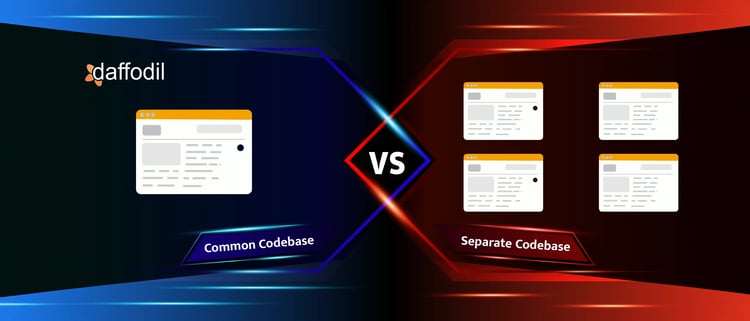
As developers and companies seek cost-effectiveness in the software industry, they face a strategic decision: should you have one set of code that works across your websites and mobile app, or separate code for each? This decision can impact your project's agility, costs, and scalability.
Topics:
Software Development
Continue Reading
Automated CI/CD vs. Manual Launch: Optimizing Software Deployment
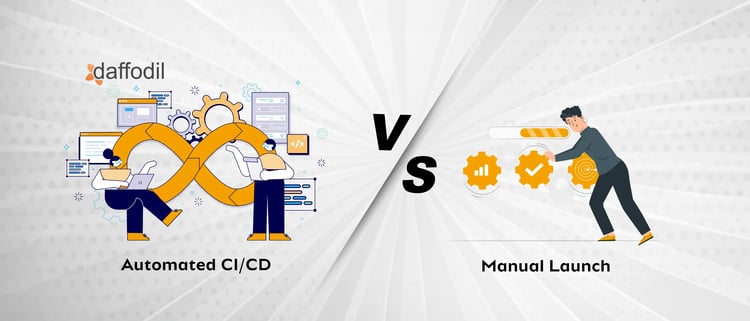
The deployment strategy adopted by a software team is critical to the product's performance and market success. Automated Continuous Integration/ Continuous Delivery/ Deployment (CI/CD) solutions improve deployment efficiency, reduce errors, and enable agile development, allowing teams to focus on innovation. On the other hand, manual launches allow for more precise control, making them suitable for specialized or cautious rollouts.
Topics:
DevOps
Continue Reading
Feature-Driven Development vs. Scrum Sprints: Choosing the Right Approach
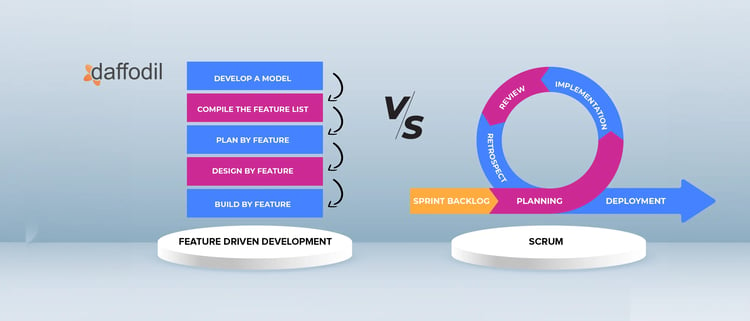
When considering agile methodologies, Scrum typically takes center stage in the discussion due to its long-standing status as the preferred choice among product managers for the past 15 years. However, an in-depth analysis of the annual State of Agile reports reveals a shifting landscape, where alternative methodologies such as Feature-Driven Development (FDD) are gaining prominence.
Topics:
Software Development
Continue Reading
9 Machine Learning Algorithms For Recommendation Engines

Recommendation engines stand as the backbone of personalized online experiences, guiding users to discover content, products, and services that meet their preferences. From driving online shoppers to their next favorite product, or suggesting the next binge-worthy movie according to the viewer’s genre history, recommendation engines are the hidden force behind driving user-preferred actions on digital platforms.
Topics:
Artificial Intelligence
Continue Reading
Predictive UX: Anticipating User Actions with Machine Learning

Imagine opening your food ordering app and being greeted with your favorite food list, or visiting an online store and finding the items you've been longing for already lined up, waiting for your approval. This isn't magic; it's predictive UX at work. It's like a friend who remembers your preferences and surprises you with choices that feel handpicked—with a touch of Artificial Intelligence(AI).
Topics:
Artificial Intelligence
Continue Reading